 4 months ago
On March 22, 2026, the political landscape in the United States witnessed a significant escalation as former President Donald Trump announced plans to deploy Immigration and Customs Enforcement (ICE) agents to airports nationwide. This move comes amid a contentious funding standoff involving the Department of Homeland Security (DHS), which has sparked widespread debate about national security, immigration enforcement, and governmental authority.
Context: The DHS Funding Impasse
The Department of Homeland Security, established in the aftermath of the September 11 attacks, is a critical federal agency responsible for safeguarding the nation’s borders, transportation systems, and critical infrastructure. It encompasses multiple agencies including the Transportation Security Administration (TSA), Customs and Border Protection (CBP), and ICE. Currently, DHS has been embroiled in a funding dispute that has stalled essential operations and threatened the continuity of its mission. The impasse centers on disagreements in Congress over budget allocations, particularly concerning immigration enforcement and border security measures.
As the deadline for DHS funding approached, the failure to pass a comprehensive budget bill raised concerns about potential government shutdowns and the operational capacity of agencies under DHS’s umbrella. This uncertainty has heightened tensions among lawmakers, federal agencies, and the public, with many fearing that critical security functions could be compromised if the stalemate continues.
At the heart of the dispute are differing priorities between political factions. Some lawmakers advocate for increased funding to bolster border security infrastructure and expand immigration enforcement, while others emphasize the need for humanitarian considerations and protections for immigrant communities. This divide has made it challenging to reach a consensus, prolonging the funding crisis.
Trump’s Threat to Deploy ICE Agents to Airports
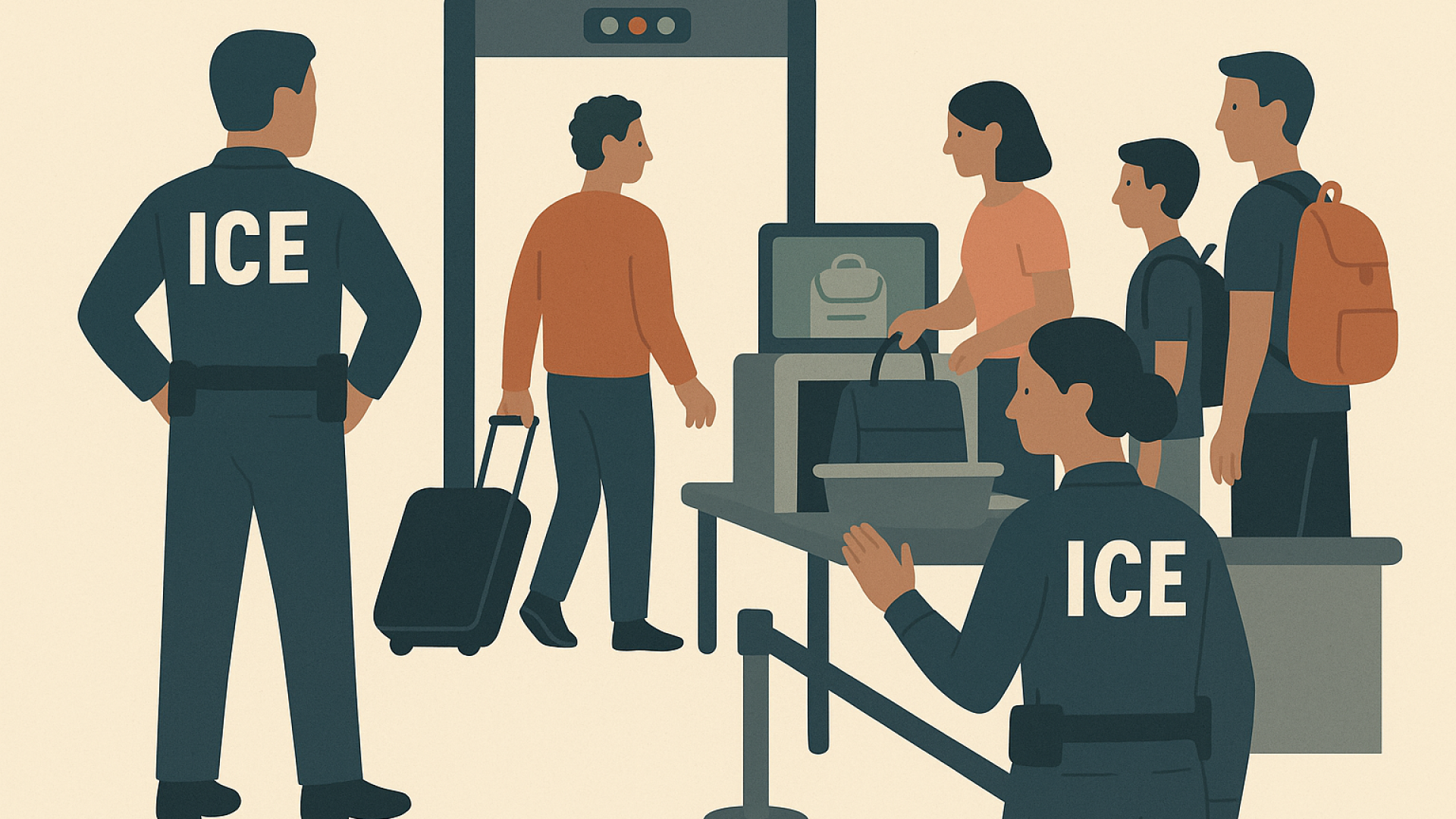
Against this backdrop, Donald Trump publicly declared his intention to order ICE agents to airports starting Monday, aiming to bolster security amid the funding crisis. Trump’s announcement was framed as a response to perceived vulnerabilities in airport security and a broader commitment to arresting what he described as “all illegal immigrants.”
This declaration has multiple layers of significance. First, it signals a direct intervention by a former president into ongoing federal operations, which raises questions about the legal and constitutional authority underpinning such actions. Typically, the deployment of federal agents is coordinated by the sitting administration and relevant agencies, making Trump’s involvement unusual and potentially contentious.
Second, it highlights the politicization of immigration enforcement, a topic that has long been a flashpoint in American politics. By positioning himself as a tough enforcer of immigration laws, Trump seeks to energize his political base and influence the national conversation on border security and immigration policy.
Third, the timing of the announcement amid a DHS funding standoff suggests a strategic move to pressure lawmakers and the current administration. By threatening to deploy ICE agents to airports, Trump is emphasizing the urgency of the funding crisis and the potential consequences of inaction.
Implications for National Security and Immigration Policy
The proposed deployment of ICE agents to airports could have far-reaching consequences for national security and immigration policy. Airports are critical nodes in the nation’s transportation network, serving millions of passengers daily and acting as gateways for international travel and commerce. Enhancing security at these locations is a legitimate concern, especially given the ongoing threats posed by terrorism, human trafficking, and illegal immigration.
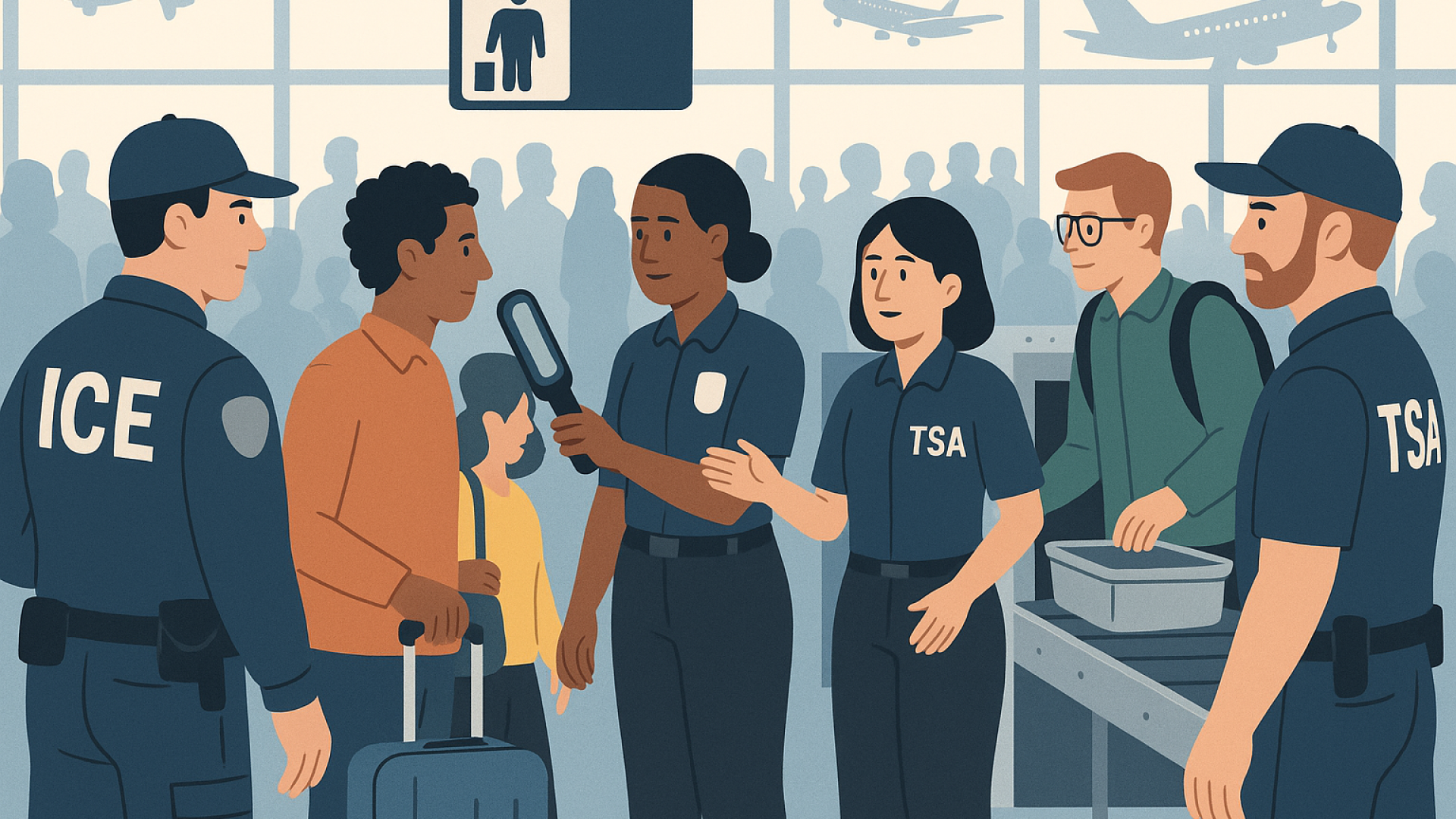
- Security Concerns: While ICE agents are trained in immigration enforcement, their presence at airports may overlap with the responsibilities of the Transportation Security Administration (TSA) and Customs and Border Protection (CBP). TSA focuses on passenger and baggage screening to prevent threats to aviation security, while CBP manages customs and immigration inspections at ports of entry. The introduction of ICE agents could lead to jurisdictional conflicts, operational redundancies, and potential confusion among travelers and staff.
- Impact on Travelers: Increased ICE activity at airports could lead to heightened scrutiny of passengers, particularly those from immigrant communities. This raises concerns about racial profiling, civil liberties, and the potential for travel disruptions. Passengers may face longer wait times, invasive questioning, or even detentions based on immigration status, which could erode public trust in airport security and law enforcement agencies.
- Legal and Ethical Questions: The authority to deploy federal agents in such a manner typically rests with the sitting administration and relevant agencies, following established protocols and legal frameworks. Trump’s involvement as a former president complicates the chain of command and may provoke legal challenges regarding the legitimacy of such deployments. Additionally, questions arise about the protection of constitutional rights, including due process and protection against unreasonable searches and seizures.
Political Ramifications
Trump’s announcement is also a strategic political maneuver amid ongoing debates over immigration and border security. It serves to rally his political base by emphasizing a tough stance on illegal immigration and government accountability. By framing the deployment as a necessary step to protect national security, Trump appeals to voters concerned about immigration enforcement and border control.
However, this move risks deepening partisan divides and complicating efforts to reach bipartisan agreements on DHS funding. Lawmakers opposed to Trump’s approach may view the threat as an escalation that undermines collaborative governance and inflames tensions. The announcement could also alienate immigrant communities and advocacy groups, potentially leading to protests and legal challenges.
Moreover, this development occurs alongside other significant events, including the recent death of former FBI Director Robert Mueller. Mueller’s legacy includes leading the agency post-9/11 and investigating Russia-Trump campaign ties, making his passing a moment of reflection on national security and the rule of law. The juxtaposition of these events underscores the continuing influence of Trump on national discourse and the complex interplay between security, politics, and justice.
Potential Solutions and Path Forward
Resolving the DHS funding standoff and addressing the concerns raised by Trump’s threat requires a multifaceted approach that balances security imperatives with respect for civil liberties and legal norms.
- Congressional Action: Lawmakers must prioritize passing a comprehensive DHS funding bill that balances security needs with fiscal responsibility and respects civil liberties. Bipartisan cooperation is essential to ensure that DHS agencies can operate effectively without political interference or funding disruptions.
- Clear Jurisdictional Guidelines: Federal agencies should clarify roles and responsibilities to prevent operational overlaps and ensure efficient airport security protocols. Coordination between ICE, TSA, CBP, and other relevant agencies is critical to maintaining seamless security operations and minimizing confusion.
- Community Engagement: Engaging immigrant communities and advocacy groups can help mitigate fears and promote cooperation with law enforcement. Transparent communication and community outreach programs can build trust and reduce tensions related to immigration enforcement at airports.
- Legal Oversight: Any deployment of federal agents must adhere to legal frameworks and be subject to judicial review to protect constitutional rights. Oversight mechanisms should be strengthened to ensure accountability and prevent abuses of power.
Conclusion
The announcement by former President Trump to deploy ICE agents to airports amid the DHS funding impasse is a development with significant security, political, and social implications. While aimed at enhancing national security, it raises critical questions about authority, civil liberties, and the politicization of immigration enforcement. The potential for jurisdictional conflicts, traveler disruptions, and legal challenges underscores the complexity of this issue.
Moving forward, it is imperative for federal agencies, lawmakers, and communities to collaborate on sustainable solutions that uphold security without compromising the values of justice and fairness. Addressing the DHS funding crisis through bipartisan dialogue and clear policy frameworks will be essential to maintaining the integrity of the nation’s security apparatus and protecting the rights of all individuals.