 4 months ago
Introduction
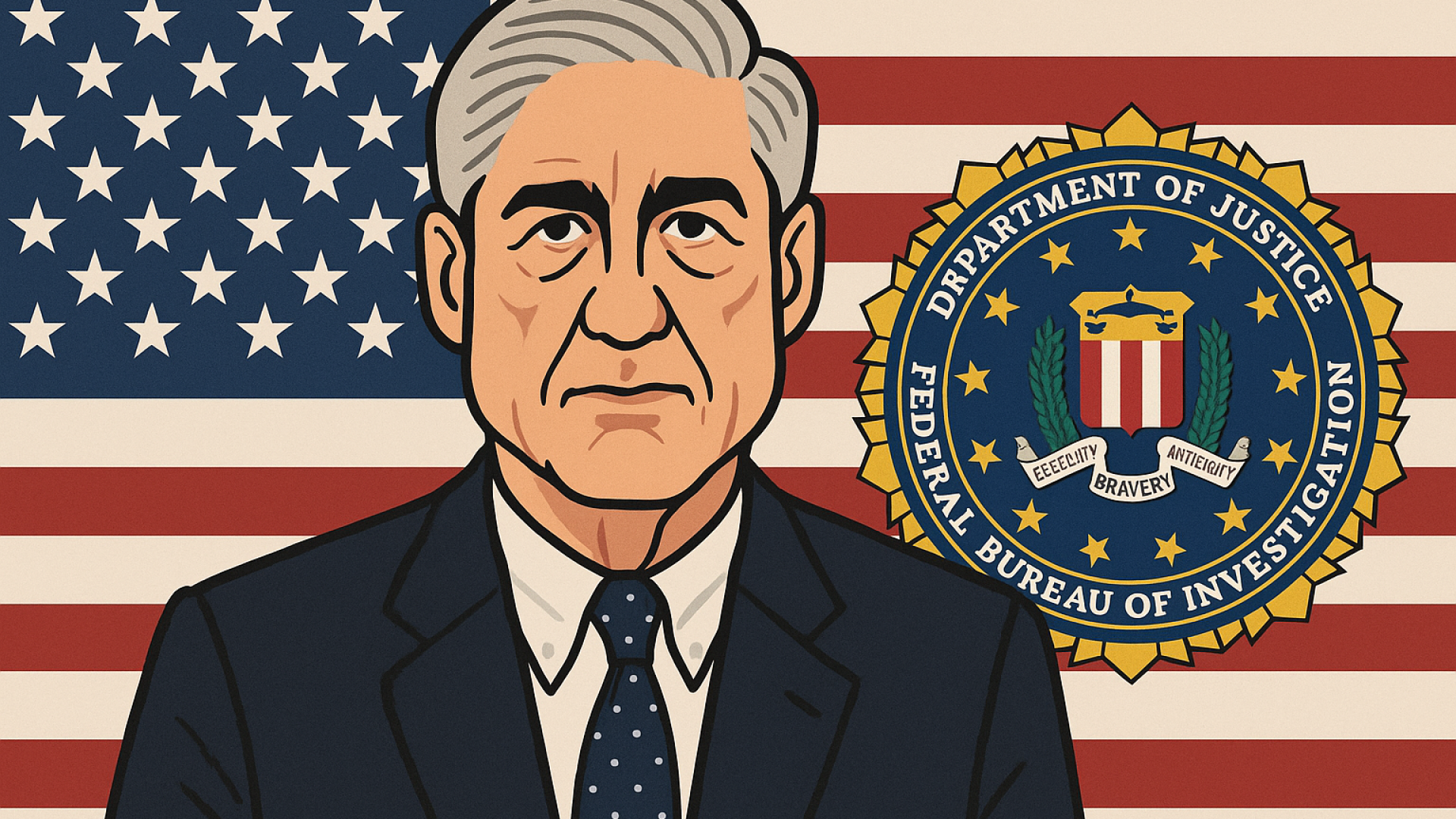
On March 21, 2026, the United States and the world lost a towering figure in law enforcement and American politics: Robert S. Mueller III, the former FBI Director and Special Counsel who led the high-profile investigation into Russian interference in the 2016 U.S. presidential election. Mueller passed away at the age of 81, leaving behind a complex legacy marked by dedication to justice, institutional reform, and an unwavering commitment to the rule of law.
This article offers an in-depth look at Mueller's life, career, and the profound impact he had on American politics and the justice system. Through a detailed exploration of his early years, his tenure at the FBI, his role as Special Counsel, and his lasting influence, we aim to provide a comprehensive understanding of why Robert Mueller remains a pivotal figure in contemporary history.
Early Life and Career
Robert Swan Mueller III was born on August 7, 1944, in New York City. Raised in a family with a strong tradition of public service, Mueller's early years were shaped by a commitment to discipline and integrity. He graduated from Princeton University in 1966 and subsequently served as a Marine Corps officer during the Vietnam War, earning the Bronze Star for valor. His military service instilled in him a deep sense of duty and resilience that would define his later career.
Following his military service, Mueller pursued a law degree at the University of Virginia, graduating in 1973. His legal career began in the U.S. Department of Justice, where he quickly gained a reputation for meticulousness and fairness. Over the years, he held various positions, including Assistant U.S. Attorney and U.S. Attorney for the District of Massachusetts, before being appointed as the FBI Director in 2001. Throughout these roles, Mueller demonstrated an unwavering commitment to upholding the law and ensuring justice was served impartially.
Tenure as FBI Director: Rebuilding Trust and Institutional Reform
Mueller's appointment as FBI Director came just weeks before the September 11, 2001 terrorist attacks, a defining moment that would shape his leadership and the future of the Bureau. Under his stewardship, the FBI underwent significant transformation to address emerging threats, particularly terrorism and cybercrime. Recognizing the evolving nature of national security challenges, Mueller prioritized modernizing the agency to better protect the American people.
One of Mueller's key achievements was the modernization of the FBI's intelligence capabilities. He championed the integration of intelligence and law enforcement functions, breaking down traditional silos to improve information sharing. This shift was critical in adapting the Bureau to the post-9/11 security landscape, enabling more effective prevention and response to threats. Mueller also oversaw the expansion of the FBI's cybercrime division, anticipating the growing importance of digital security in national defense.
Mueller also emphasized restoring public trust in the FBI. He navigated the agency through controversies and political pressures, maintaining its independence and commitment to impartial justice. His leadership style was characterized by a low profile, professionalism, and a focus on institutional integrity. Under his guidance, the FBI reinforced its reputation as a nonpartisan institution dedicated to the rule of law, even amid intense political scrutiny.
The Trump-Russia Investigation: A Defining Chapter
In May 2017, Robert Mueller was appointed Special Counsel to investigate Russian interference in the 2016 U.S. presidential election and related matters. This appointment thrust him into the national and international spotlight, as the investigation became one of the most scrutinized and politically charged inquiries in recent history. Mueller's selection was widely seen as a testament to his reputation for integrity and impartiality.
Mueller's investigation examined allegations of collusion between the Trump campaign and Russian operatives, as well as potential obstruction of justice by the President. Over nearly two years, Mueller and his team conducted extensive interviews, issued indictments, and uncovered significant evidence of foreign interference and criminal conduct by various individuals. The investigation led to charges against numerous high-profile figures, including members of the Trump campaign and Russian nationals, highlighting the breadth and depth of the inquiry.
Despite the intense political polarization surrounding the investigation, Mueller maintained a reputation for thoroughness and adherence to legal standards. His final report, released in 2019, detailed numerous findings but did not conclusively charge the President with conspiracy or obstruction, citing Department of Justice guidelines and evidentiary challenges. The report's nuanced conclusions sparked widespread debate and underscored the complexities of investigating a sitting president.
The investigation's aftermath left a lasting imprint on American politics, fueling debates about executive power, election security, and the role of special counsels. Mueller's measured approach and refusal to politicize the inquiry earned him respect across partisan lines, even as the nation remained divided over its implications. His work highlighted the importance of transparency and accountability in democratic governance.
Legacy and Impact on American Politics
Robert Mueller's legacy is multifaceted, reflecting his contributions to law enforcement, justice, and democratic governance. His tenure as FBI Director helped reshape the Bureau into a modern intelligence agency capable of confronting 21st-century threats. His leadership during the Trump-Russia investigation underscored the importance of independent oversight and the rule of law in a polarized political environment.
Beyond his official roles, Mueller became a symbol of integrity and resilience. His career demonstrated the challenges of balancing legal rigor with political realities, and his example continues to influence public servants and legal professionals. Mueller's steadfast dedication to principle over politics set a standard for ethical leadership in government service.
Mueller's death has prompted reflections on the state of American democracy and the ongoing need to safeguard institutions from partisan interference. His life's work serves as a reminder of the vital role that principled leadership plays in maintaining public trust and upholding justice. Many view his career as a blueprint for how to navigate the intersection of law and politics with honor and effectiveness.
Challenges and Criticisms
While widely respected, Mueller's career was not without controversy. Critics from various political factions questioned aspects of his investigation, alleging bias or overreach. Some argued that the investigation's scope and duration were excessive, while others felt it did not go far enough in holding powerful figures accountable. These divergent views reflect the deeply polarized environment in which Mueller operated.
These debates highlight the complexities inherent in high-profile legal inquiries, especially those intersecting with politics. Mueller's cautious approach, grounded in legal standards, sometimes frustrated those seeking definitive conclusions or swift action. Nonetheless, his insistence on due process and evidentiary rigor helped preserve the legitimacy of the investigation amid intense scrutiny.
Nevertheless, his commitment to process and evidence-based investigation remains a benchmark for future special counsels and law enforcement officials. Mueller's career serves as a case study in navigating the delicate balance between legal obligations and political pressures, offering lessons for those who follow in his footsteps.
Looking Forward: Lessons and the Path Ahead
As the nation reflects on Robert Mueller's passing, there are important lessons to be drawn for the future of American governance and justice. His career underscores the necessity of maintaining independent institutions capable of withstanding political pressures. Protecting the integrity of agencies like the FBI is essential to preserving democratic norms and ensuring accountability.
Strengthening the FBI and similar agencies requires continued investment in training, technology, and ethical standards. Moreover, the experience of the Trump-Russia investigation highlights the need for clear legal frameworks governing special counsels and election security. Establishing transparent guidelines can help future investigations proceed with clarity and public confidence.
Public engagement and education about the role of law enforcement and oversight mechanisms are also crucial. Mueller's legacy invites citizens to appreciate the delicate balance between security, transparency, and civil liberties. Encouraging informed dialogue can foster greater trust in institutions and promote civic responsibility.
Conclusion
Robert S. Mueller III's life and career left an indelible mark on American politics and justice. From his early days as a Marine officer to his leadership of the FBI and his stewardship of one of the most consequential investigations in recent history, Mueller exemplified dedication, integrity, and resilience. His unwavering commitment to the rule of law and institutional integrity set a high standard for public service.
His passing in 2026 invites both reflection and renewed commitment to the principles he championed. As the United States navigates ongoing political and social challenges, Mueller's legacy serves as a guiding beacon for upholding the rule of law and preserving democratic institutions. His life's work reminds us that principled leadership is essential to the health and future of the nation.
In remembering Robert Mueller, we honor a public servant whose work transcended partisan divides and whose impact will be felt for generations to come. His story is one of courage, perseverance, and an enduring belief in justice that continues to inspire.