
 2 months ago
You’ll sometimes read or hear sorry laments about the death of the traditional car industry, of how new models and marques are stripping the perceived glamour from motoring and road journeys in favour of synthetic, quasi-autonomous experiences sat in the anonymous, identikit interiors of bland EVs. The cynic will claim that this process has already happened and point to the deluge of new marques and models from China that are upending the traditional order of things.
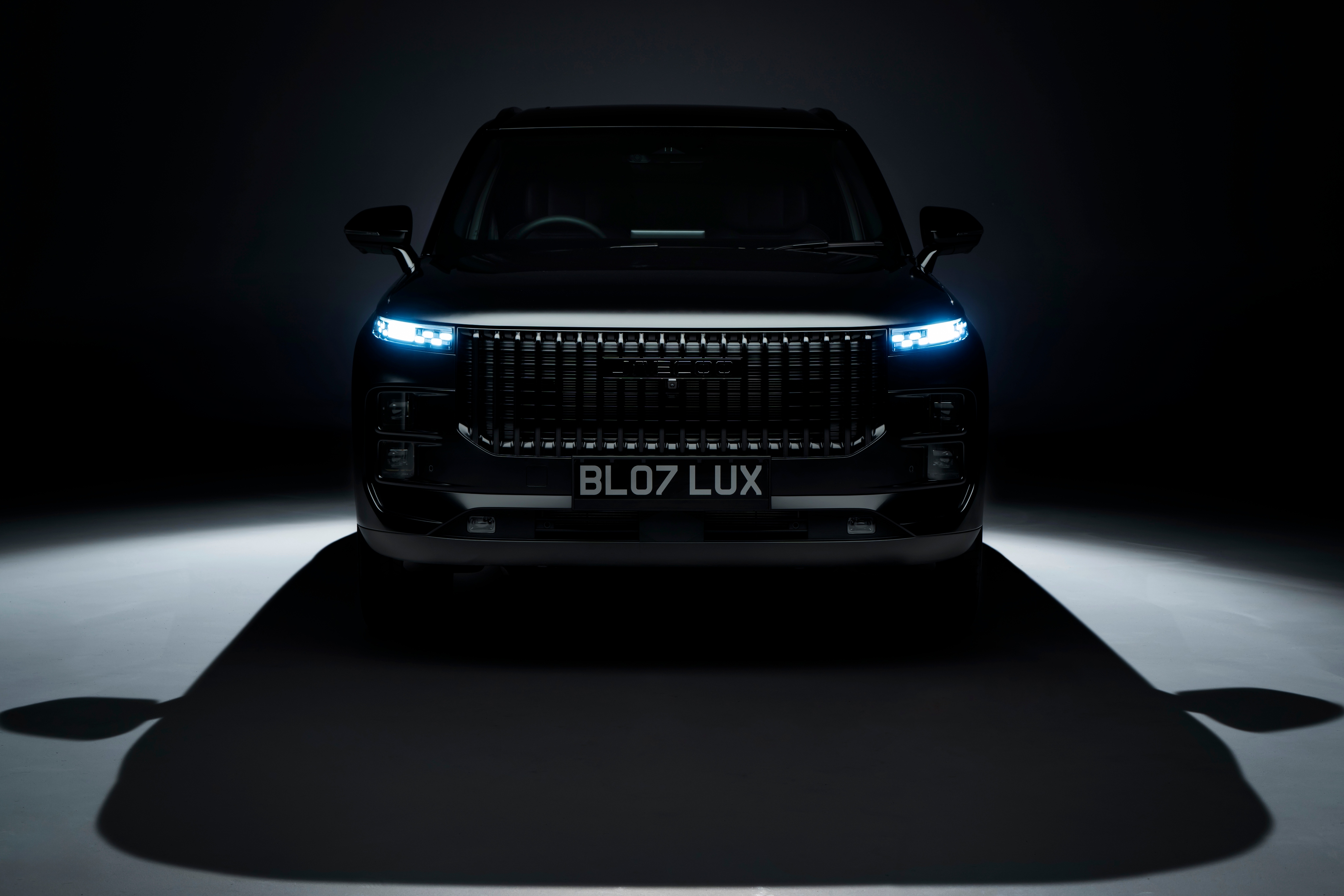
Jaecoo 7 Black Luxury edition
(Image credit: Jaecoo)
It’s not a good time to be lamenting the absence of internal combustion. With prices rising at the pump and the cost of EVs and so-called super hybrids plummeting, geopolitical realities are undermining the emotive and nostalgic pull of old technology. Here, China has been playing a long game. Like many of the China’s car makers, Chery is partly state-owned. Founded in 1997, it’s now the country’s third-largest with sales of over 2.8m in 2025.
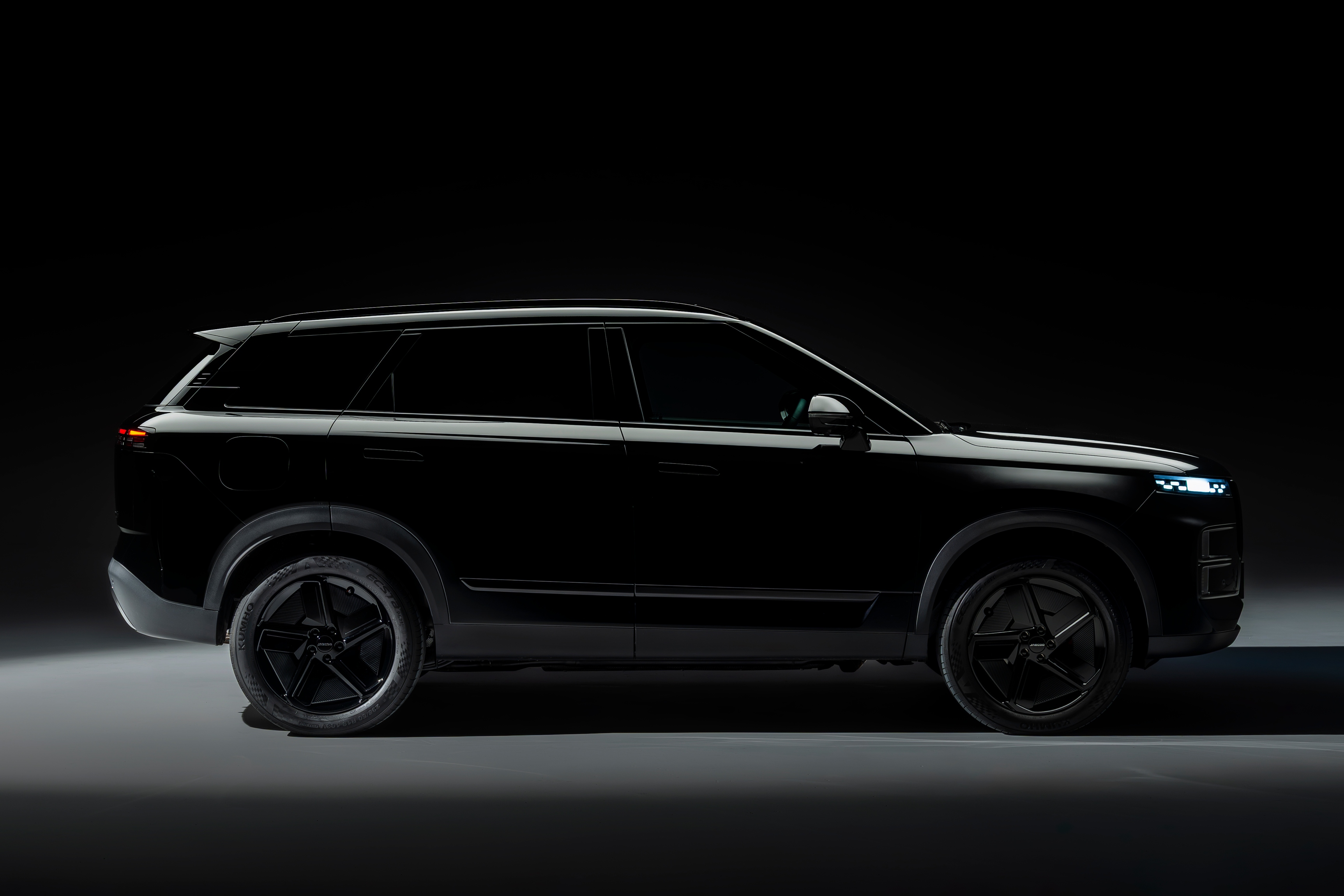
Jaecoo 7 Black Luxury edition
(Image credit: Jaecoo)
The brand umbrella is broad. As well as making cars under the Chery and Chery Fulwin name, it also produces vehicles badged as Exeed, Jetour, QQ, Rely, iCar, and Luxeed. Into this rich mix of passenger EVs, luxury cars, commercial vehicles and small mobility cars comes a number of overseas brands, including Omoda, Exlantix, Aiqar, Lepas and of course Jaecoo. Chery itself also sells into Europe, just to add another layer of complexity.
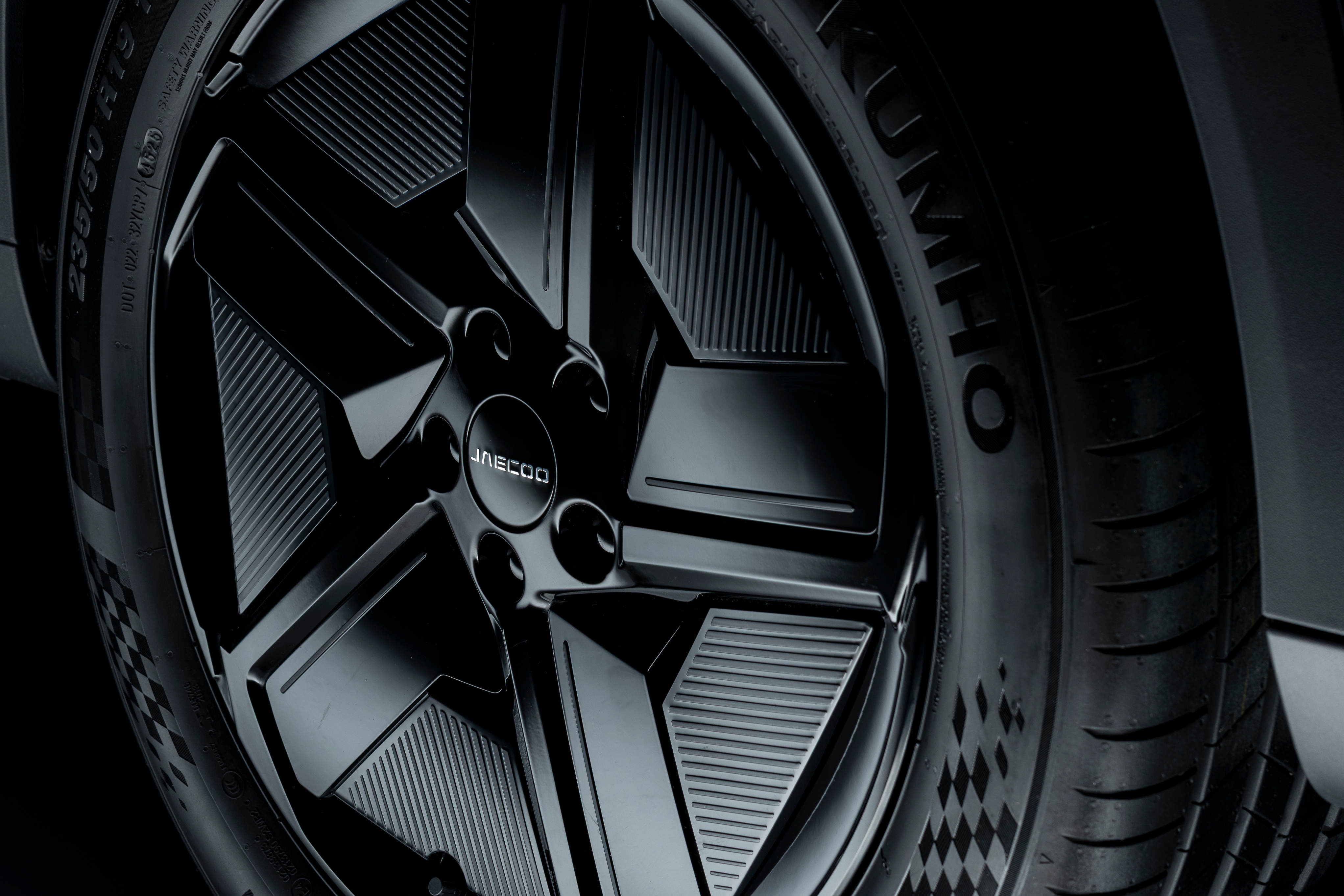
Jaecoo 7 Black Luxury edition details
(Image credit: Jaecoo)
At times, this portfolio almost feels as if a policy of deliberate obfuscation is being undertaken, especially when many of the brands share platforms and underpinnings and are distinguished only via appearance and marketing. So how has the Jaecoo 7 managed to escape this blizzard of similarity and emerge as a special snowflake in its own right?
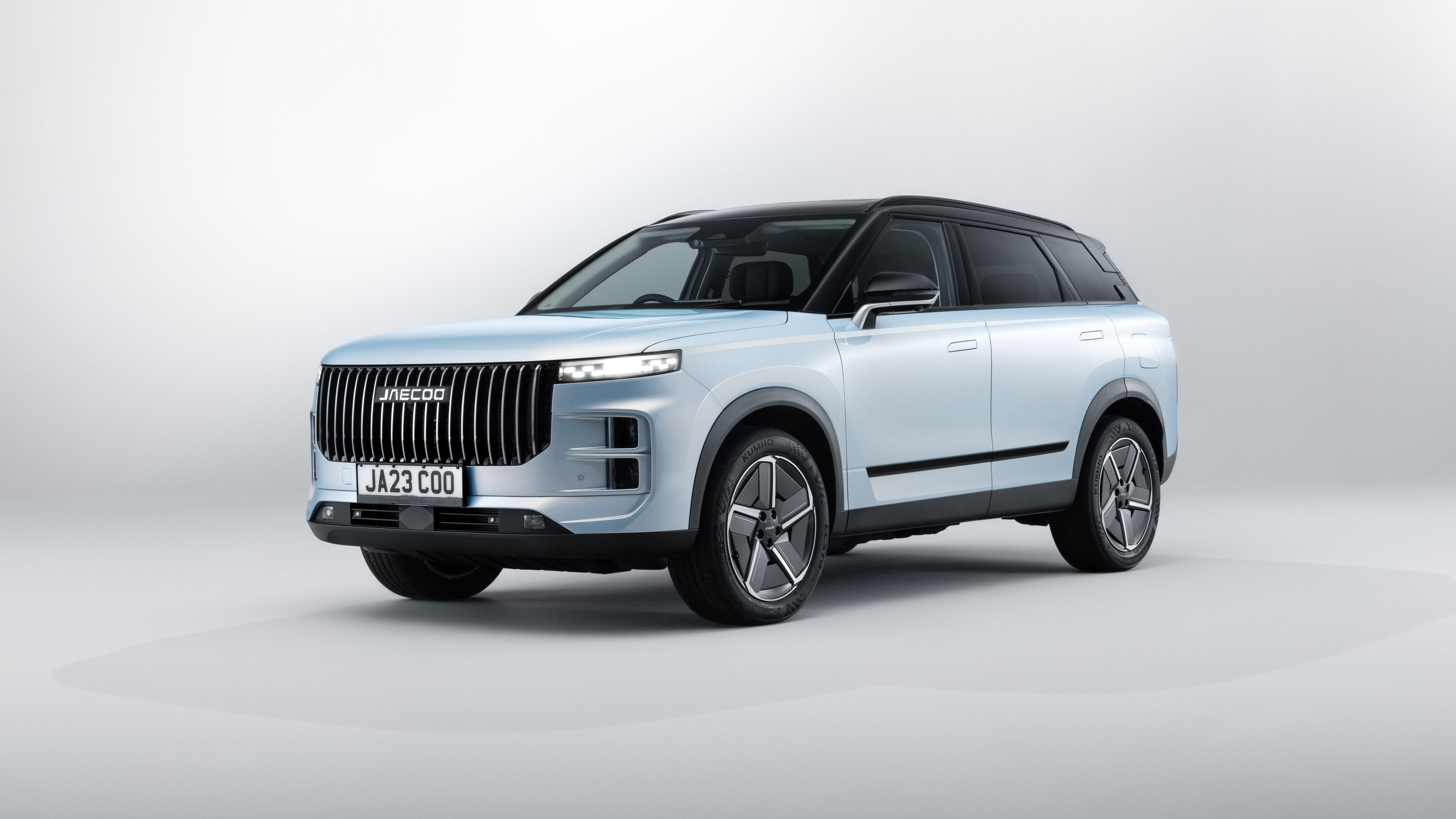
Jaecoo 7
(Image credit: Jaecoo)
The car-literate observer should have noticed an uptick in Jaecoo 7s on the UK’s roads in recent months. Launched last year, it’s available as a standard petrol-powered car, a conventional hybrid and an ultra-long range plug-in hybrid (SHS, for ‘super-hybrid system’). The basic hybrid starts at under £30k, which is a lot of car for the money. The range is bookended by the smaller Jaecoo 5 (available as both ICE and pure EV) and the larger Jaecoo 8 SHS, which adds another row of seats.
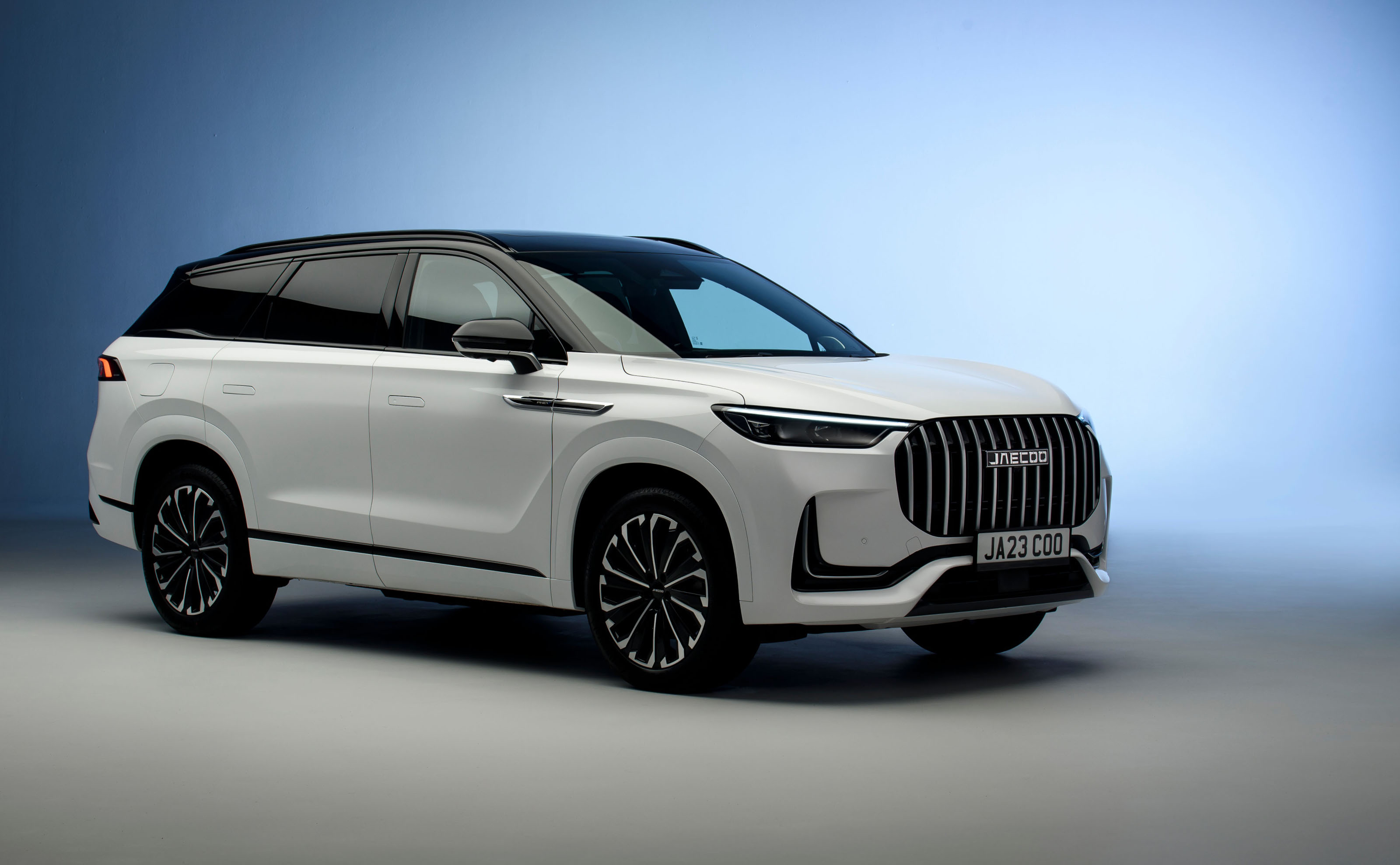
The new Jaecoo 8 SHS-P Executive model
(Image credit: Jaecoo)
First things first: it’s not a conventional good looker. Sometimes disparagingly referred to as the ‘Temu Range Rover’, perhaps because there are hints of the Sport and Velar in the slab-sided, upright styling, the 7 is nevertheless uncompromising and unpretentious.
The big ‘waterfall’ grille does the front end no favours, being too deep, too broad and unbalanced when compared to the slim headlights. It is at least recognisable, helping give the brand traction in a brand-new market. The grille-less Jaecoo 5 BEV is much better looking.
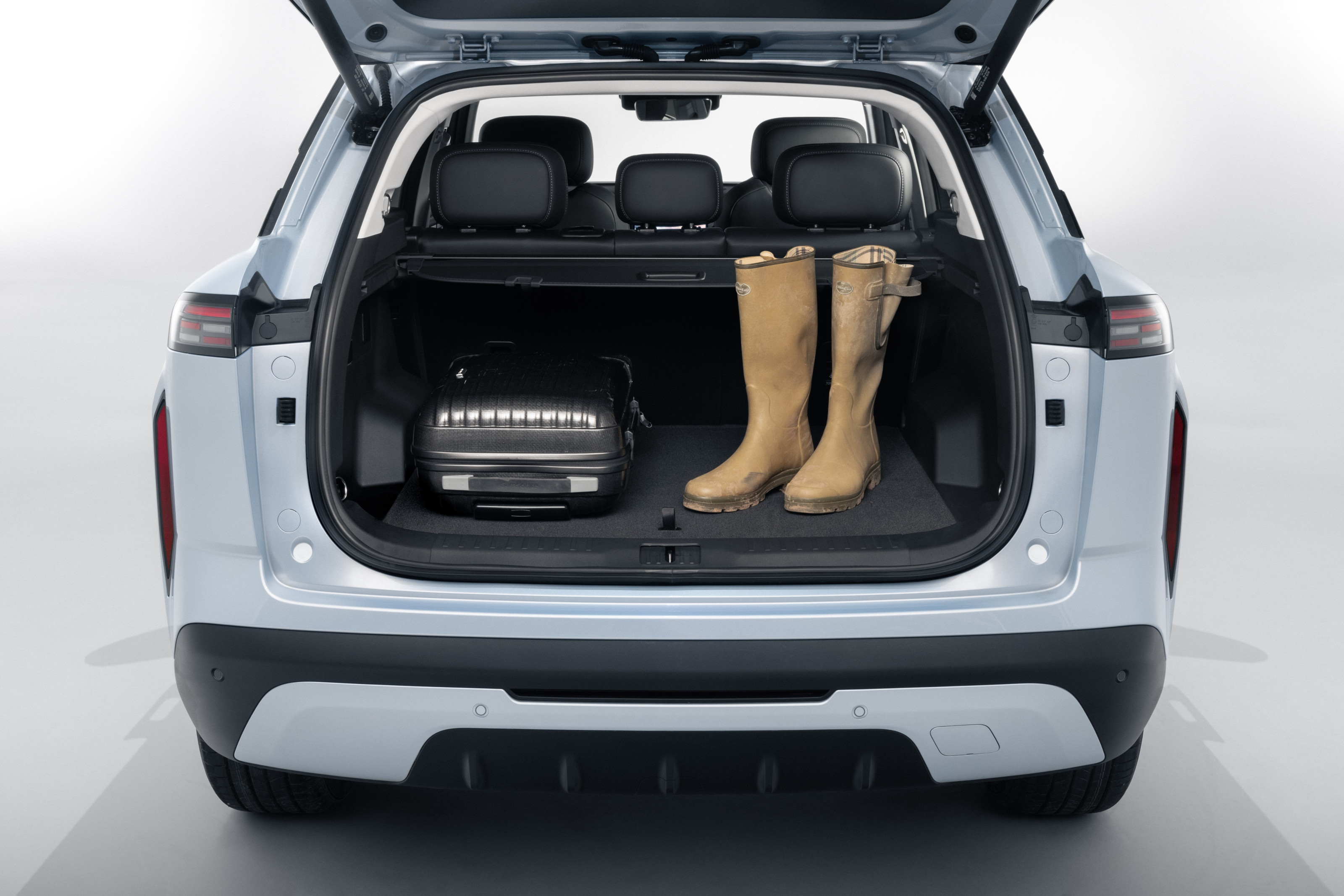
Inside the Jaecoo 7, now a firm family favourite in the UK market
(Image credit: Jaecoo)
Also, don’t discount the importance of price. The SHS can manage over 50 miles on EV power alone (very helpful if you have your own charging facilities) or a combined range of over 700 miles. We didn’t get to approach these limits, but the total absence of range anxiety is probably a selling point amongst a populace made artificially jumpy about perceived EV shortcomings. Extras? There are none, save for colour. The base colour (usually white) is standard, with a more interesting body colour a £600 extra (or £1,200 if you want two-tone body and roof).
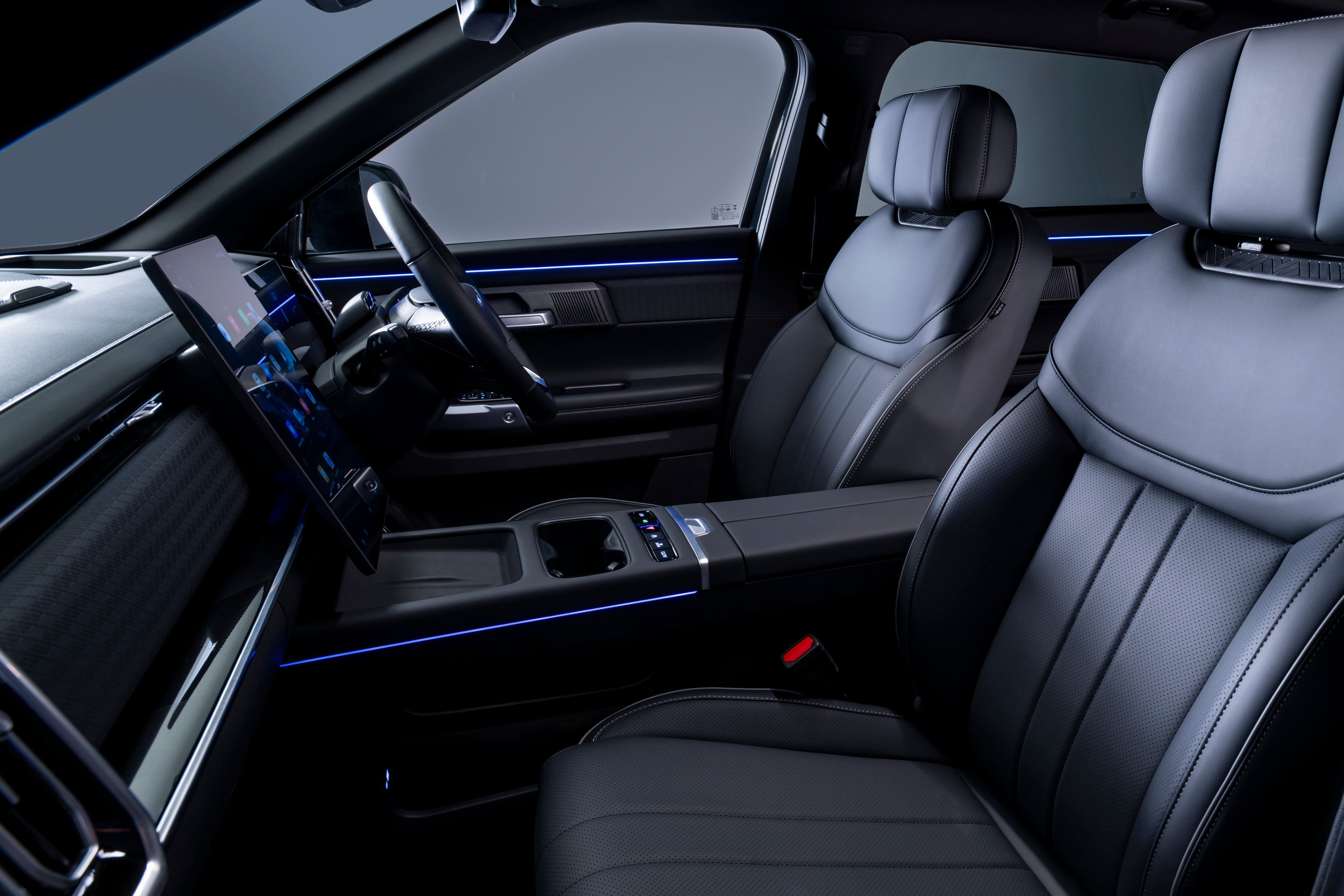
Up front in the Jaecoo 7 Black Luxury edition
(Image credit: Jaecoo)
Ignore the marketing guff about today’s active lifestyles and sleek designer finishes, and the bottom line is that this is a more than decent car that is pitched perfectly at the brand agnostic. We’ve seen this with companies like Mitsubishi, Subaru and Hyundai, all of whom started out from effectively blank slates, before creeping into popular consciousness with models that became a byword for functional simplicity; the Mitsubishi Outlander, Subaru Outback or Hyundai Tucson. All became something of a covert status symbol by virtue of their practicality.
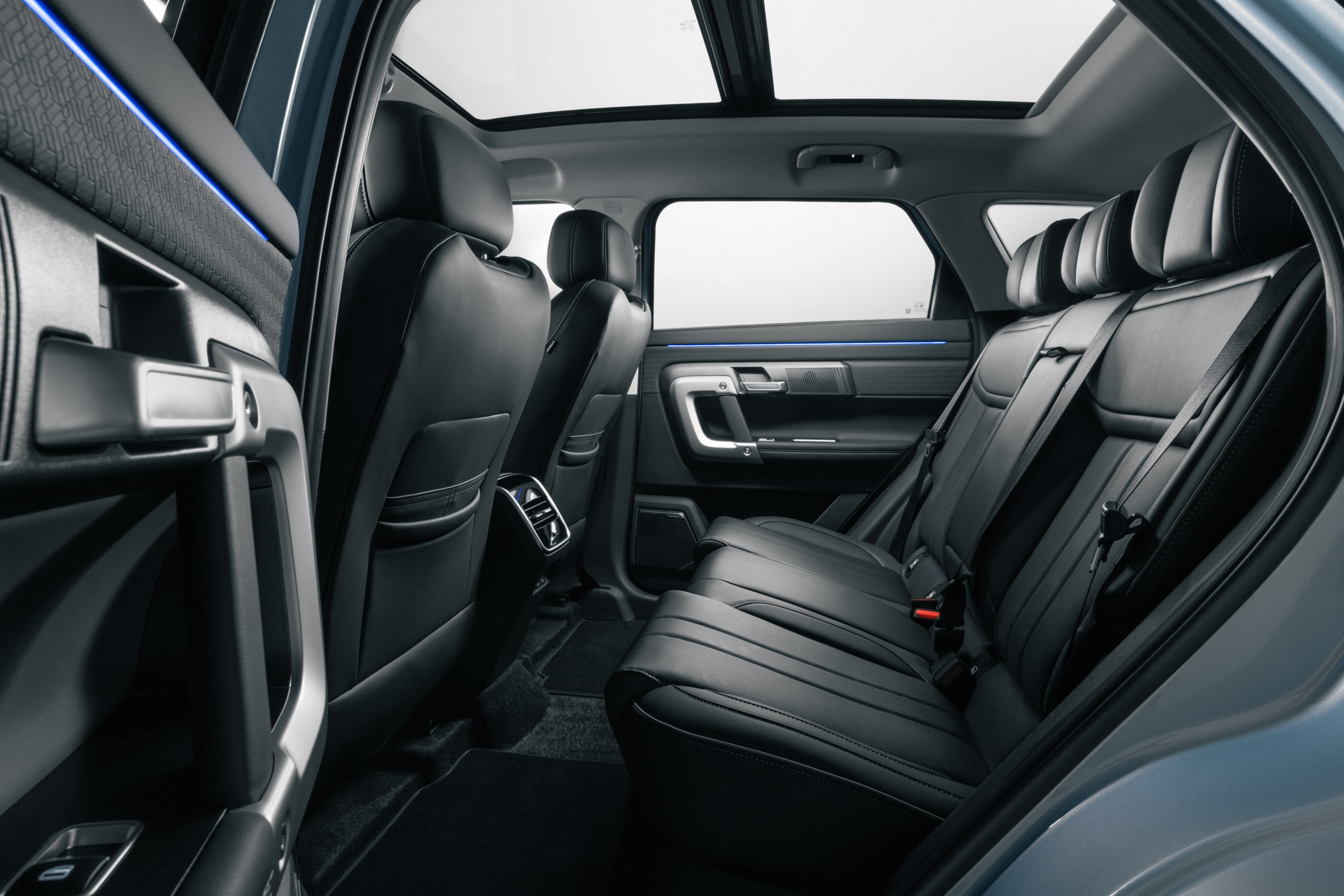
The rear seats of the Jaecoo 7
(Image credit: Jaecoo)
Perhaps this is where Jaecoo is heading, as long as you overlook the marketing hyperbole. For example, the newly announced Jaecoo 7 Black Luxury model isn’t really ‘An Enduring Statement of Modern Luxury’, but just a 7 with darker trim. No one is going to buy this thinking they’re getting the low-cost alternative to a Rolls-Royce Black Badge model.
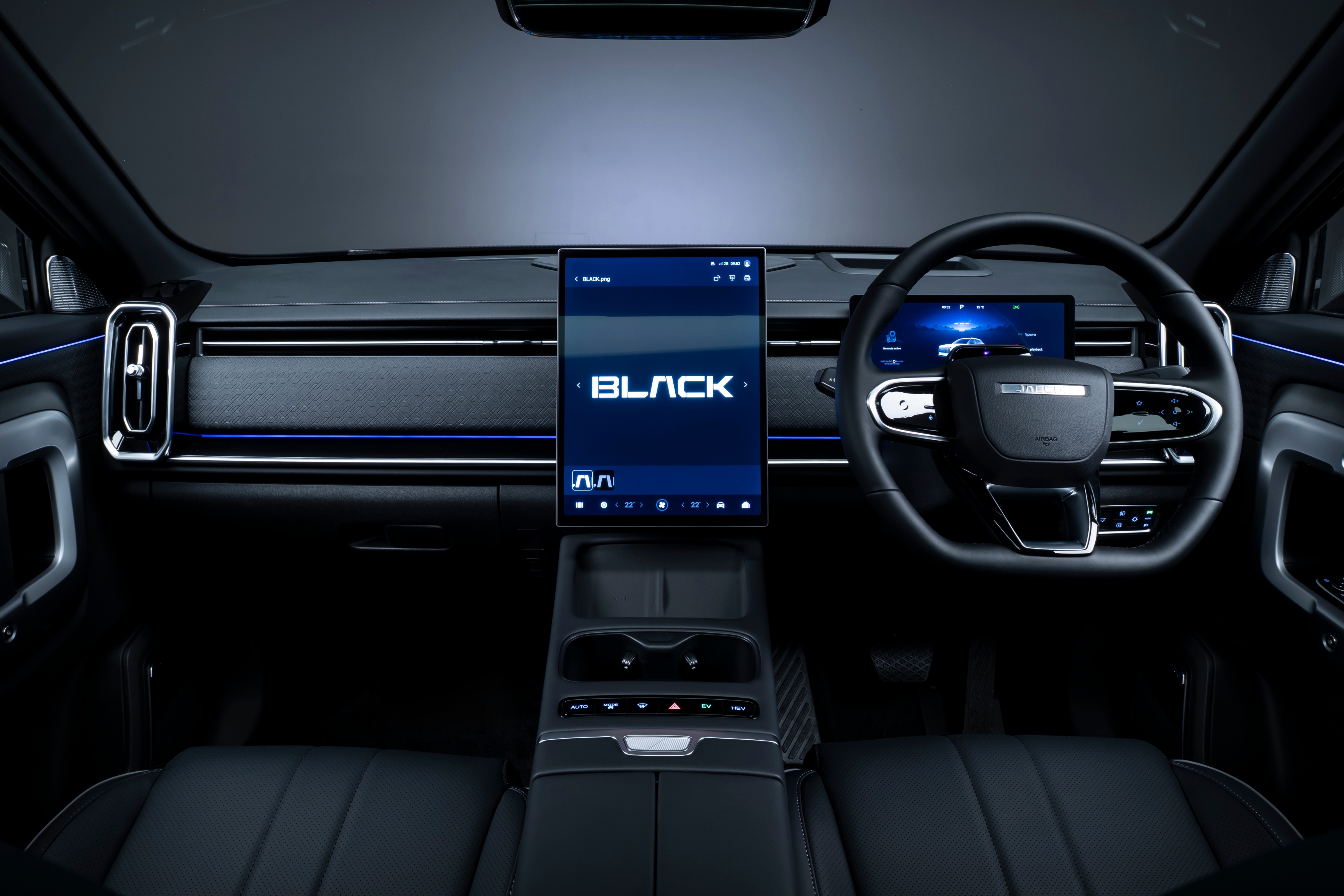
The dashboard of the Jaecoo 7 Black Luxury edition
(Image credit: Jaecoo)
Downsides? The costs that have been cut are reflected in the screen-focused interior and a slight paucity of power. Although the battery boost gives more than decent shove, once the cells have been depleted you’re reliant on the 1.5-litre TDGI engine, which struggles to be particularly smooth, refined or urgent.
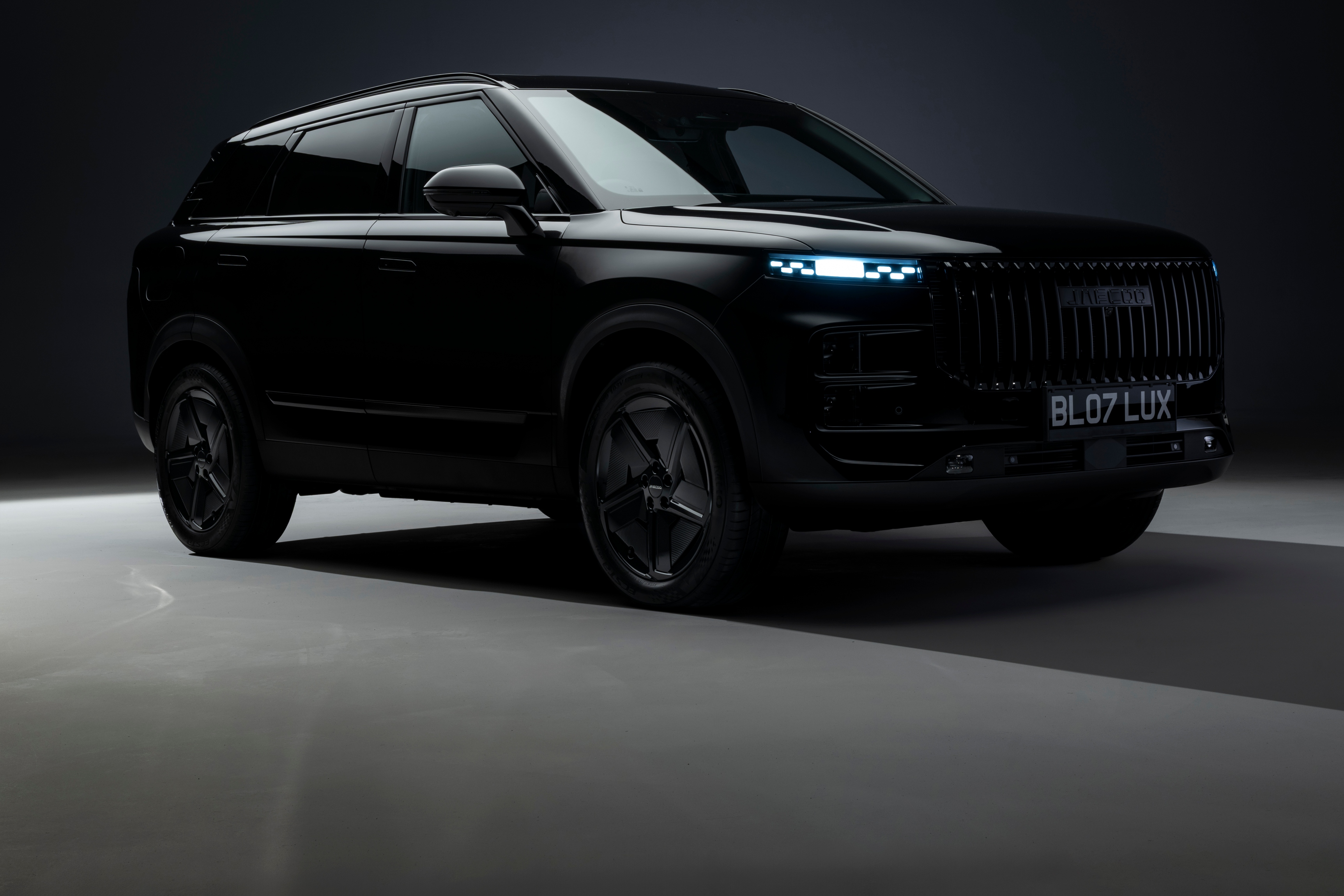
Jaecoo 7 Black Luxury edition
(Image credit: Jaecoo)
None of this really matters, for this is as close to a classless car as it’s possible to build in 2026, bereft of brand heritage and status, physically non-descript yet ticking practically every box in a long list of functions and conveniences, from the panoramic roof to the heated seats front and rear. In fact, the Jaecoo 7 has a far better claim to be described as a modern utility vehicle than anything coming out of the JLR stable right now.
And let’s not forget the existence, since 2012, of yet another Chery manufacturing off-shoot, Chery Jaguar Land Rover. Who knows, perhaps Jaecoo will be the new masters of translating functional purity into brand desirability in the years to come.
Jaecoo 7 SHS Black Luxury (Plug-in Hybrid), from £36,500, Jaecoo.co.uk


